
What Is Roof Flashing?
Roof flashing is a thin material, usually made of metal or rubber, that is installed at critical points on a roof where water is likely to enter—such as chimneys, joints, valleys, skylights, and near roof edges. The main job of flashing is to direct water away from vulnerable openings and into gutters or off the roof entirely. By covering these transitions on roofs in Lowville, flashing helps create a watertight barrier that regular roofing shingles or tiles alone cannot provide.
Why Does Flashing Matter in Lowville?
In Lowville, homes face a mix of conditions—from substantial snowfall and ice in the winter to rainstorms and wind in other seasons. Local weather can drive water into cracks and under roof materials, especially around features that break the roof’s surface. Without proper flashing, moisture can seep beneath shingles or panels, potentially leading to leaks, rot, mold, and even structural damage. This makes flashing a crucial component for durability and weatherproofing—especially in a climate prone to freeze-thaw cycles and heavy precipitation.
Where Is Flashing Found on Roofs?
Flashing is most commonly installed wherever two surfaces meet or where roofing meets other structures. Key locations on area homes include:
- Around chimneys and vent pipes: These points are particularly vulnerable since they protrude through the main roof plane.
- Along roof valleys: Where two roof slopes come together, increased water flow can overwhelm shingles alone.
- At eaves and rakes: Edges of the roof are susceptible to wind-driven rain and melting snow.
- Around skylights and dormers: Any feature that interrupts the roofline requires extra protection from leaks.
On historic and modern homes alike in Lowville, each installation location may use a different flashing design to address specific risks.
What Types of Flashing Materials Are Used?
Flashing materials must withstand the region’s temperature shifts, sun exposure, and precipitation cycles. Common options include:
- Galvanized steel: Durable and rust-resistant, a frequent choice for local roofs.
- Aluminum: Lightweight and corrosion-resistant, but can be vulnerable to denting.
- Copper: Long-lasting and highly durable, but tends to be more expensive and develops a patina.
- Rubber or plastic: Often used for vent pipe collars, but generally less robust than metal in this climate.
In rural and small-town areas, the choice often depends on the home’s construction era and the expected longevity of repairs.
How Does Flashing Work with Snow and Ice?
Winters in Lowville bring snow accumulation and freeze-thaw cycles that test the effectiveness of any roofing system. Flashing is particularly important for:
- Preventing ice dams: Properly installed flashing at eaves and valleys helps water from melting snow drain off the roof before it can refreeze.
- Stopping wind-driven snow: Sealed flashing at joints and penetrations keeps drifting snow and windblown moisture outside where it belongs.
- Handling roof melt patterns: On sunny winter days, melting can occur unevenly; quality flashing makes sure that runoff doesn’t sneak into the structure.
Routine inspection after each winter is a practical local practice, especially in areas with older roofs that may have shifting materials.
What Can Go Wrong with Roof Flashing?
Even high-quality flashing can fail if not installed or maintained properly. Some common issues seen on local homes include:
- Corrosion or rust: Especially on older metal flashing, rust can create holes that allow leaks.
- Lifting or separation: Heavy snow loads, ice heaving, or thermal expansion can cause flashing to pull away or kink.
- Poor installation: Incorrect overlaps or gaps left during installation can bypass the intended waterproofing.
- Cracked sealants: Sun, ice, and temperature changes can break down caulk or adhesives, reducing effectiveness.
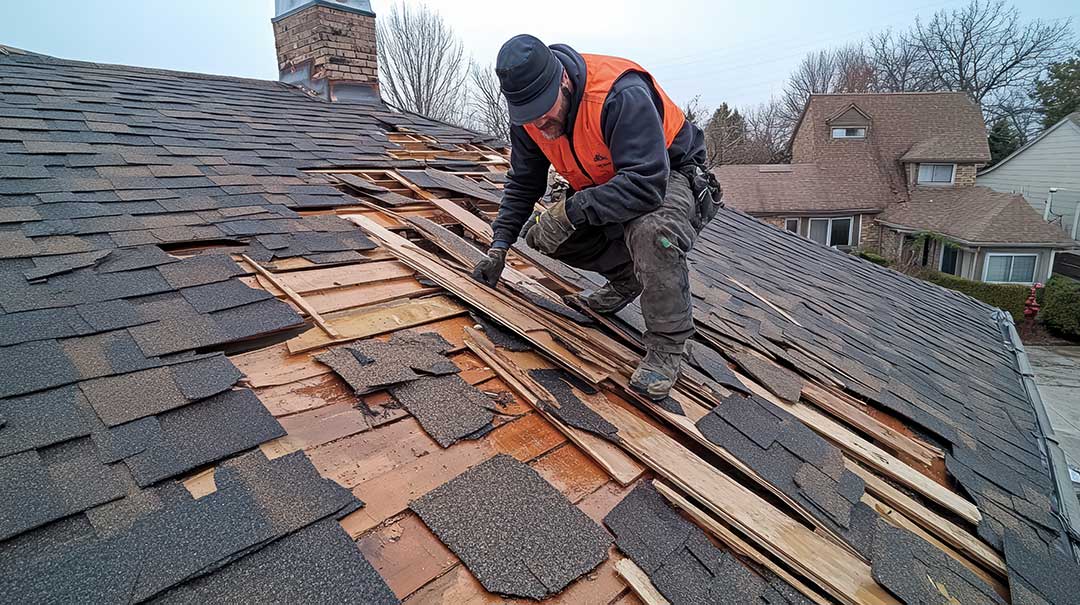
Residents sometimes assume leaks are caused by missing shingles when, in reality, flashing is the weak point. Visual checks—especially after big storms or freeze-thaw events—can help catch problems early.
How Often Should Flashing Be Inspected?
Routine roof inspections, ideally twice a year (spring and fall), are a smart approach given the climate cycles in Lowville. At minimum, residents should:
- Check flashing during a basic roof walkaround, focusing on visible joints and valleys.
- Look for dislodged, bent, rusted, or missing flashing after heavy wind or ice events.
- Pay particular attention to any new evidence of water stains inside the attic or on upper floors, which can signify a flashing breach.
Older homes sometimes have flashing that wasn’t installed to modern standards, or which used types of metal no longer considered long-lasting. In these cases, periodic professional evaluation may be prudent, especially before or after winter.
What Are Some Common Flashing Myths or Misunderstandings?
A frequent misconception is that roofing materials alone are enough for a watertight roof. In reality:
- Shingles, tiles, or panels shed most water but aren’t designed for all directional flow or the complicated junctions where leaks are likeliest.
- Many homeowners believe colored caulk or roof cement can permanently patch failed flashing, but these treatments are generally temporary at best in Lowville’s variable climate.
- Some assume flashing is only necessary on older homes, but all roof types—old or new, shingle or metal—rely on proper flashing for longevity.
Understanding the true role of flashing can help area residents better advocate for needed maintenance and protect their investment in their homes.
