
What Is the Core Difference Between Re-Roofing and Roof Replacement?
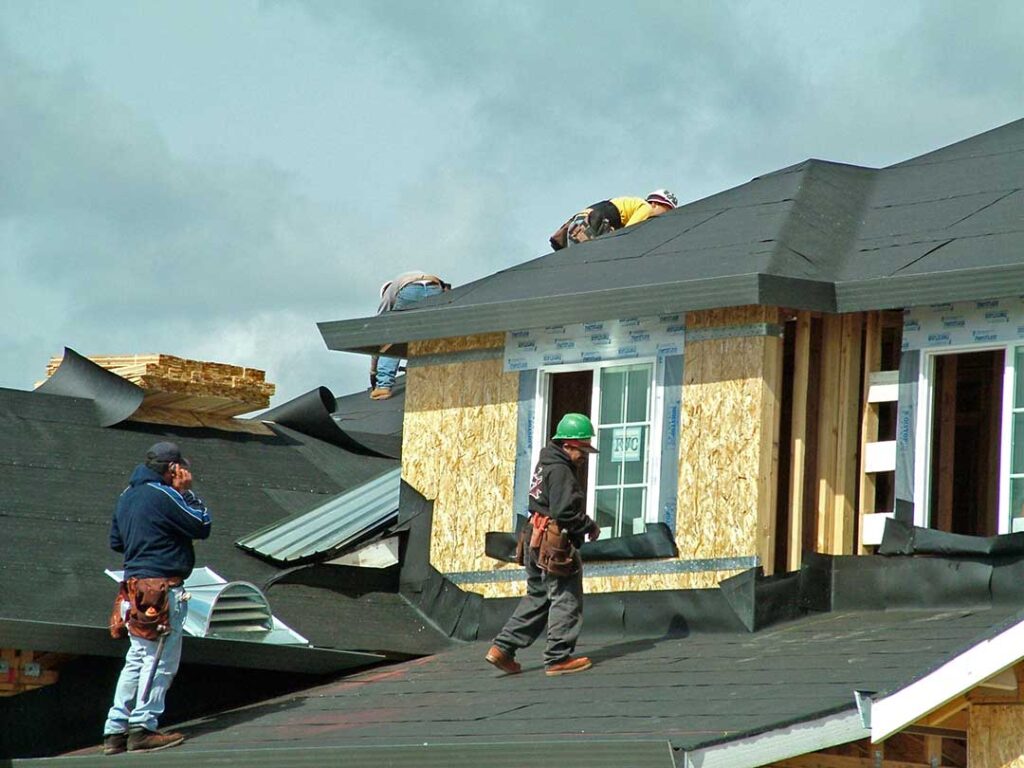
Re-roofing involves installing a new layer of shingles over the existing roofing material, while roof replacement requires removing the old roof entirely before installing a new one. The main distinction is that re-roofing covers what’s already there, and replacement starts fresh.
This difference can impact cost, project time, and long-term results. In Lowville, some homes—especially those with older yet structurally sound roofs—may be suitable for re-roofing, while others face conditions that require a full replacement.
—
When Is Re-Roofing an Option?
Re-roofing is possible only if a home’s roof has one layer of shingles and the underlying structure is in good condition. If the roof has already been re-roofed once or if major damage exists, this method isn’t suitable.
Local homeowners might consider re-roofing when:
- The roof has minor wear but no major leaks or damage
- There’s only one layer of existing shingles (local code allows only two total)
- The sheathing and structure show no rot, warping, or mold
In Lowville, this is sometimes a practical solution for homes that have seen light weathering, but harsh winters and annual freeze-thaw cycles mean underlying issues could go unnoticed.
—
When Is Roof Replacement Necessary?
Roof replacement is needed if there are more severe problems—structural damage, leaks, sagging, excessive mold, or more than one layer of old shingles.
A full roof replacement typically becomes unavoidable when:
- Two layers are already present (adding a third is unsafe and prohibited by code)
- Shingles are badly curled, missing, or brittle from years of winter freezing and heavy snow
- There is evidence of leaking into the attic or walls
- The roof deck shows soft spots, rot, or water staining
- Recent storms or wind have caused visible structural problems
After multiple seasons of snow, ice, and thaw (common in Lowville), these kinds of issues are not uncommon. Replacement ensures the roof structure, underlayment, and new shingles all function as a full system.
—
How Does the Local Climate Impact These Choices?
Lowville’s climate regularly brings heavy snow and freezing temperatures, which stresses roofing materials and can hide damage. These winters—and the spring thaw—can accelerate the failure of old shingles and expose the underlying structure to moisture.
Re-roofing may provide a fresh, protective barrier, but it can mask problems beneath the surface. A roof that isn’t structurally sound underneath, but appears passable above, can see underlying issues worsen over time. Roof replacement, by contrast, uncovers and addresses hidden water damage, rot, or mold before a new roof is installed.
Seasonally, most roof work in the city is completed between late spring and early fall, when the weather allows for safe and effective installation.
—
Is Re-Roofing Cheaper or Faster Than Replacement?
Yes, re-roofing is often less expensive and can be completed more quickly since it skips the labor of removing the old roof. Area residents sometimes find re-roofing fits their budget and can minimize disruptions to daily life.
However, any potential cost savings need to be balanced with the risk of covering over unseen problems:
- Wind-driven rain or ice dams can penetrate shingles and damage the structure, which goes unfixed if only new shingles are applied above.
- Multiple layers can add extra weight, which is problematic on older homes not built for it—especially after heavy snows.
- Home insurance and warranties may not cover future problems that result from underlying damage.
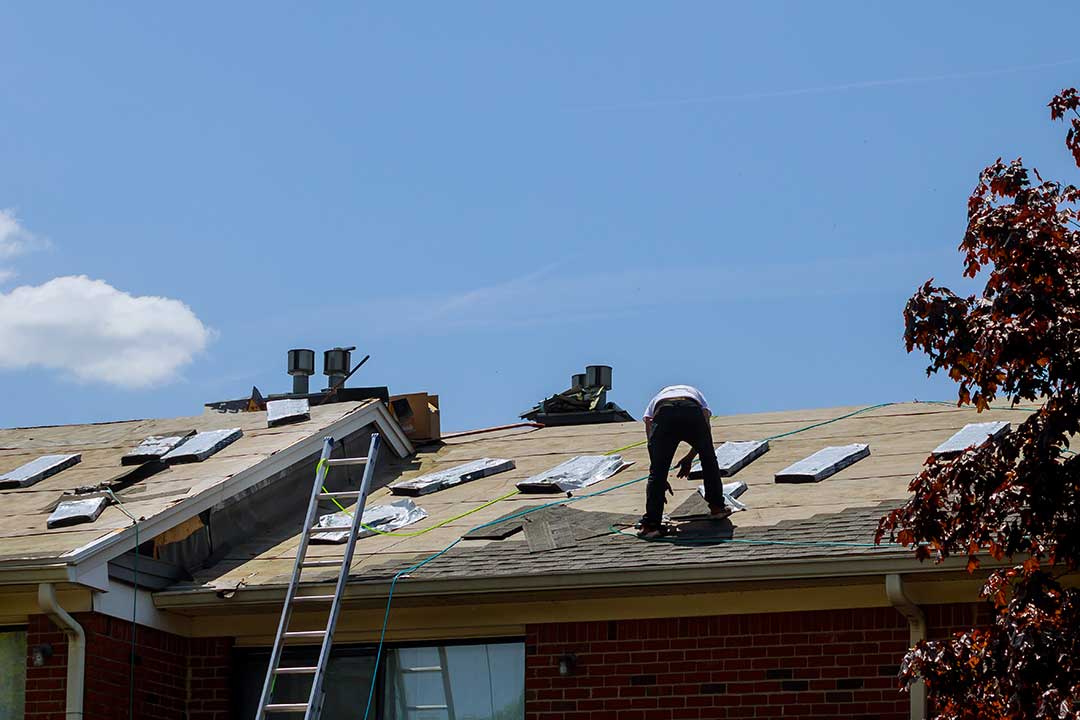
Replacement projects are more disruptive and costly up front, but reduce the risk of future hidden issues, especially in homes that bear the brunt of local snow loads and ice buildup.
—
Which Approach Lasts Longer in a Local Context?
Roof replacements typically outlast re-roofing, as all structural, underlayment, and material issues are addressed at once. In the city, where roof systems face repeated freezing and thawing, a complete replacement often means better long-term value.
With re-roofing, the lifespan is only as good as the strength and integrity of the materials beneath. Covering over problem areas might offer a temporary improvement in appearance, but won’t last as long as a full replacement where issues have been corrected.
—
What Are Common Misconceptions About Both Methods?
Many residents assume re-roofing is always a good shortcut or that roof replacement requires completely tearing out every roof component. In reality:
- Re-roofing is not allowed on roofs with two layers already or significant water damage.
- Replacement does not necessarily mean new rafters or framing—it usually focuses on shingles, underlayment, and sheathing.
- Both methods can be robust solutions, but their suitability is determined by roof age, structural condition, and compliance with local code.
—
What Should Households in Lowville Consider?
Local homes may face unique challenges, from ice dam incidents to older framing systems. Regular attic inspection (especially after icy winters) and awareness of how local regulations limit the number of roof layers help inform the right choice.
Before settling on an approach, area families benefit from understanding:
- Whether their roof’s visible issues are just on the surface or deeper in structure
- The number of existing shingle layers
- Any insurance or code requirements specific to residential properties
- The typical age and structure type for homes in the community
Each option has its place in the city’s housing landscape—re-roofing for select, minor issues and roof replacement for safety, long-term security, and full compliance with area needs.
