
Why Does a Small Roof Problem Matter in the North Country?
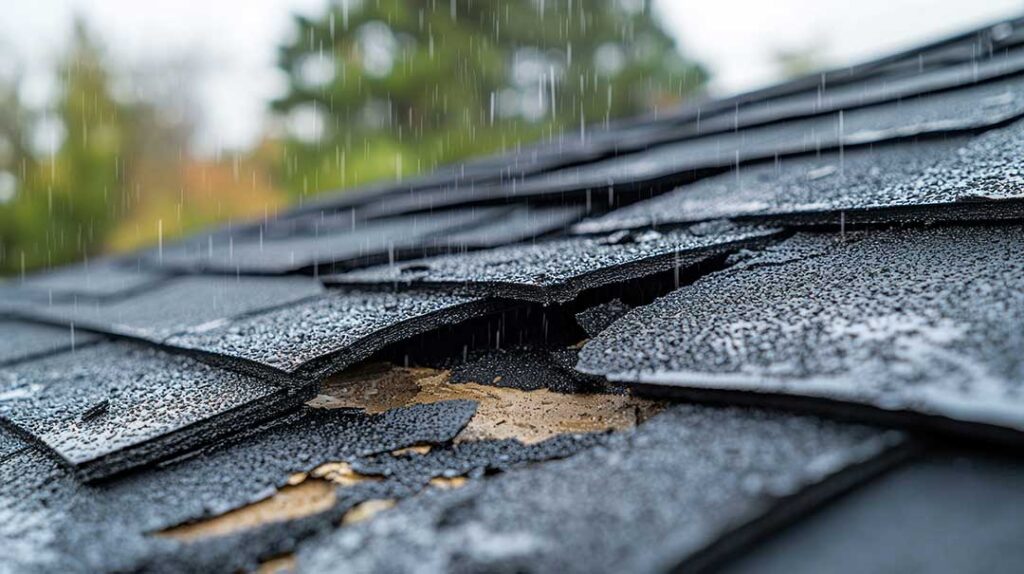
A minor roof issue, like a missing shingle or a cracked flashing, may seem harmless for a while. However, in Lowville, NY, the mix of snowy winters, wet springs, and temperature swings can quickly turn a minor defect into a widespread problem. Moisture seeps through even tiny openings, and freeze-thaw cycles common in the area can rapidly worsen damage.
Even if leaks aren’t visible indoors right away, water often infiltrates the roof structure. Over time, this can damage wood, insulation, ceilings, and even interior walls. Homeowners sometimes assume no leaks mean no problem—a misconception that often leads to bigger repairs later.
What Are the Hidden Costs of Putting Off Roof Repairs?
Delaying roof repairs often leads to higher repair bills later. Here’s why:
- Small leaks can saturate wood decking, leading to rot and needing partial or complete replacement.
- Wet insulation loses effectiveness, driving up heating costs—especially notable during Lowville winters.
- Mold and mildew can form inside walls or attics, creating expensive remediation needs.
- Repeated water intrusion can stain ceilings, cause paint to peel, and damage floors.
Area homeowners who wait may find what could have been a simple shingle replacement becomes a structural or multi-room issue. Insurance policies often don’t cover the incremental costs of gradual damage that could have been avoided.
Does Roof Neglect Affect Winter Safety?
Yes, unaddressed minor roof issues often pose safety challenges, especially in places like Lowville with heavy snow and ice. If roof integrity is compromised:
- Ice dams form more readily, backing up meltwater and forcing it under shingles.
- Sagging sections could collapse under snow load.
- Icicles and sliding snow present hazards to people and property below.
Frozen water in unseen gaps can expand, prying apart even more of the roofing over time. What starts as a minor leakage path in the fall could create major ice issues or structural problems by late winter.
Can Small Leaks Cause Indoor Air Quality Concerns?
Chronic roof leaks promote mold growth, one of the most significant indoor air quality concerns for local households. Mold often begins in attics, crawlspaces, or inside walls—areas less frequently inspected. Warm, moist conditions from leaky roofs accelerate mold colonization.
Some common signs overlooked by residents include:
- Musty odors in upper floors or attic spaces, especially after rain or snowmelt.
- Peeling paint or bubbling drywall in areas not immediately near visible leaks.
- Increased allergy symptoms with no apparent cause, particularly in families with children or seniors.
Addressing mold can involve major cleaning efforts and even removal of building materials, especially if growth takes hold over several months.
How Do Neglected Roofs Attract Unwanted Pests?
Gaps created by weathering or loose materials offer easy entry points for pests. In the Lowville region, small mammals, birds, and insects seek shelter during colder months. Roof issues help them find access:
- Squirrels, raccoons, and bats may nest in attics if even small openings exist.
- Carpenter ants, wasps, and hornets exploit deteriorated wood or missing flashing.
- Birds are known to nest under loose shingles or inside vent openings.
Once established, these pests may cause further damage or create noise, nesting debris, and risk of disease—all avoidable with prompt repairs.
What Is the Local Impact of Weather and Aging Roofs?
The lifespan of roofing materials in Lowville is often shorter than in milder climates. Snow, ice, hail, and even high spring winds challenge both older and newer roofs. Residents should be aware that:
- Asphalt shingles can become brittle and crack after several harsh winters.
- Flashing around chimneys or vents is more likely to loosen.
- Moss and algae growth accelerate moisture retention and shingle wear, especially in shaded or north-facing areas.
Homes in densely treed neighborhoods, rural settings, or open fields each face unique weather and maintenance challenges. Slow-to-melt snow piles often conceal developing problems until spring rains make them obvious.
Are There Community or Regulatory Concerns?
Roof neglect isn’t just a private issue. Persistent roof problems can lead to:
- Increased risks of fire from compromised electrical or venting systems.
- Erosion of neighborhood property values if visible damage is widespread.
- Possible municipal code violations if roofs create direct safety risks.
- In some cases, lenders or insurers may require timely roof maintenance.
Keeping up with repairs benefits both the individual household and the wider Lowville community by supporting safety, property values, and neighborhood pride.
How Can Homeowners Spot Problems Before They Grow?
Regular roof inspections are especially valuable in regions where weather conditions drive rapid change. Checking for loose, missing, or curling shingles, ensuring flashing is intact, and removing debris after storms are all tasks within reach for many local homeowners.
When issues are spotted early—such as small water stains indoors, signs of moss, or spots where granules have worn away on shingles—addressing these problems promptly prevents larger headaches down the road. For homes with steep roofs or challenging access, professional assessment is recommended only when safety is a concern.
