
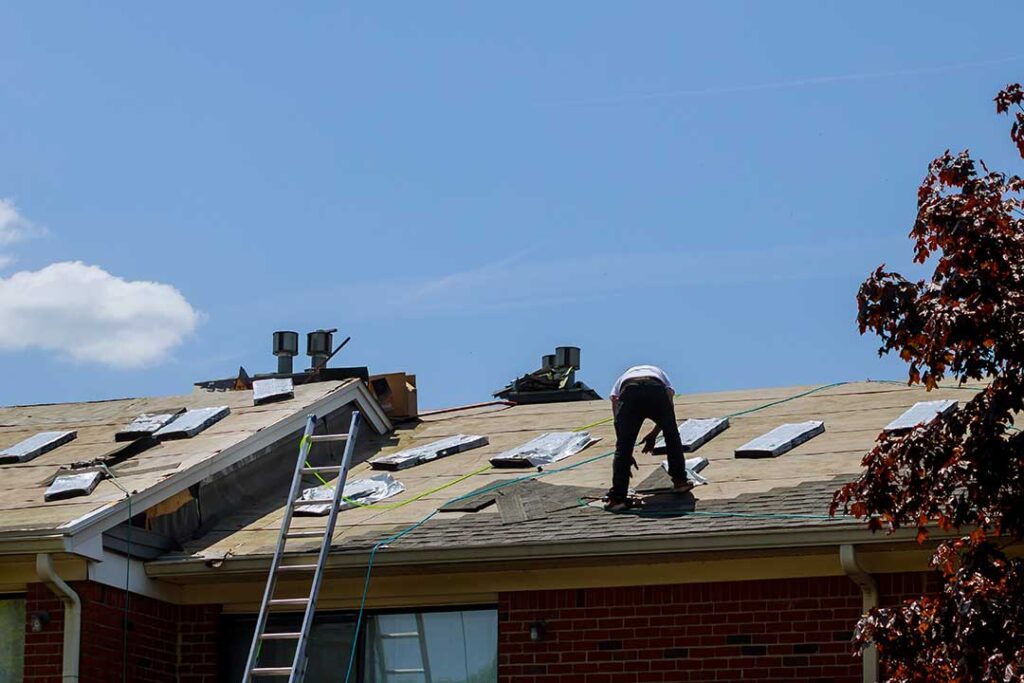
What Happens When a Roof Problem Goes Unaddressed?
Minor roof issues in Lowville, NY, can quietly become severe if left alone. Small leaks, lifting shingles, or moisture stains may seem harmless at first. Over time, however, even a small defect can lead to structural damage, costly repairs, and preventable safety concerns unique to the area's climate.
In Lowville, snow loads and freeze-thaw cycles are common. When damaged shingles or flashing aren’t addressed quickly, water can infiltrate the roofing system. This moisture doesn’t just disappear—it can seep into the attic, insulation, and wall framing. Persistent wetness invites rot, weakens wood, and worsens insulation performance. Instead of an inexpensive patch, families could eventually face extensive reconstruction.
How Much More Expensive Can Delayed Repairs Become?
Deferring roof maintenance in the city can multiply overall costs. Here’s why small problems get expensive:
- Minor repairs (replacing a few shingles or sealing a seam) typically cost less compared to full tear-offs or water damage remediation.
- Ignoring leaks may result in ruined insulation, interior ceiling repairs, or structural fixes, often at a much higher price.
- Mold remediation can double or triple overall repair costs if water is allowed to fester.
For example, what could have been a few hundred dollars to fix missing shingles after a windstorm can become several thousand dollars’ worth of repairs after a season of unmanaged leaks and resulting interior damage.
Is There a Hidden Risk Beyond Cost?
There are significant health and safety implications, especially in Lowville’s humid summers and cold winters. Damp areas behind walls or in attics support mold and mildew growth, which can aggravate allergies and respiratory illnesses—especially for young children or seniors.
Another overlooked danger is ice dam formation. If roofs are left damaged, warm air can escape, melting snow unevenly and causing it to refreeze at the eaves. Over time, this traps water against the roof and forces it under shingles, contributing further to leaks and interior damage.
Are All Roof Problems Equally Urgent?
Not every roofing issue demands immediate action, but distinguishing between urgent and routine concerns is challenging without a close inspection. Chronic leaks, missing shingles, sagging rooflines, or visible daylight in the attic should be prioritized in the city’s climate. Problems like worn-out flashing or minor granule loss on shingles may be monitored with regular seasonal checks.
It’s a common misconception that small leaks will “dry out” in summer or that a single missing shingle can’t cause real trouble. In areas where storms and melting snow are common, even small gaps provide water an entry point, and these portals rarely fix themselves.
What Are Common Overlooked Problems in Local Homes?
Older homes in the community often face challenges like:
- Ice dams caused by poor attic insulation or ventilation
- Lifted or cracked asphalt shingles after winter winds
- Blocked gutters, which direct water under the roof edge instead of away from the house
Problems like these can hide from view until they’re serious. Walking the perimeter during spring and fall and checking inside attics for moisture or discoloration helps spot trouble early.
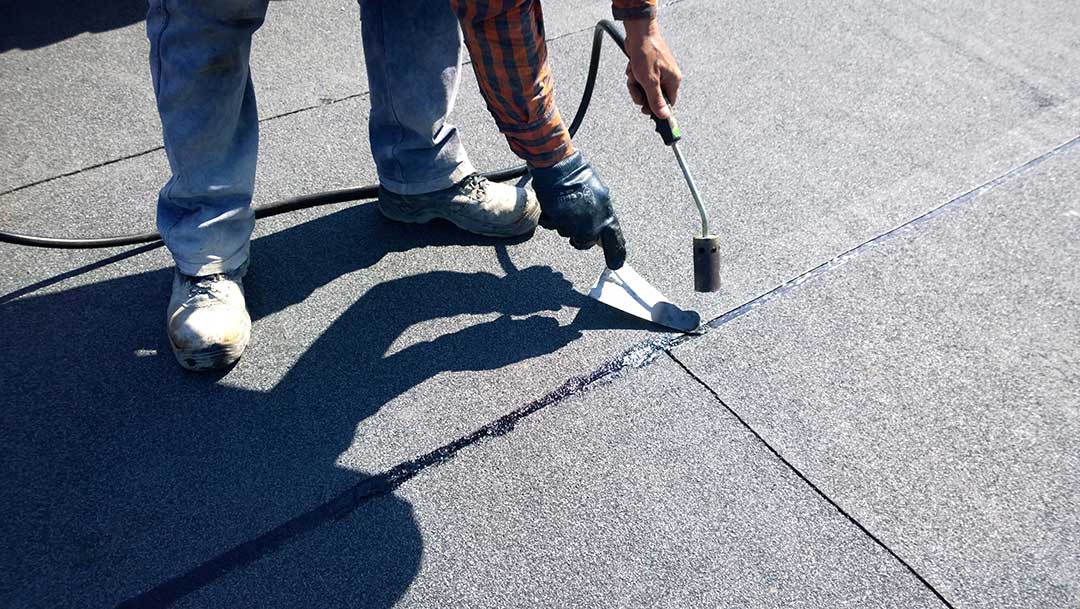
What’s at Stake for Insurance and Home Value?
Insurance may not cover gradual damage caused by negligence. If a claim reveals that a leak was present and ignored for months, policies could reduce payouts or deny coverage. This can leave families covering full repair costs on their own.
Additionally, visible roof neglect is a red flag during home appraisals or sales, lowering the property’s value in the eyes of buyers and lenders. Homeowners may also face steeper costs to correct code violations if problems have lingered long enough to cause broader damage or health risks.
What Preventive Actions Make Sense for Area Residents?
The most practical approach is routine self-inspection, done in spring and after major storms. Look for:
- Discoloration or dampness in attic spaces
- Shingles that look cracked, curled, or detached
- Rusty or bent flashing around chimneys and skylights
- Stained ceilings, which can signal more advanced moisture
Clearing gutters and ensuring downspouts direct water away from the foundation also limits the risk of roof-edge damage—especially valuable in Lowville’s wet seasons.
How Does Lowville’s Climate Affect Roof Longevity?
Freeze-thaw cycles, ice, snow, and heavy spring rain place unique pressures on roofs in the city. Materials expand and contract repeatedly, which can widen existing gaps or split seams. Heavy snow accumulation adds weight and traps water on the roof deck. Without regular checks and immediate repair of damage, these stresses shorten the expected lifespan of most roofing systems and can void material warranties.
Ultimately, delaying roof repairs exposes homeowners to escalating expenses, avoidable hazards, and potential loss of property value. Addressing minor problems early, especially with the city’s seasonal extremes, is a practical way to avoid these risks.
