
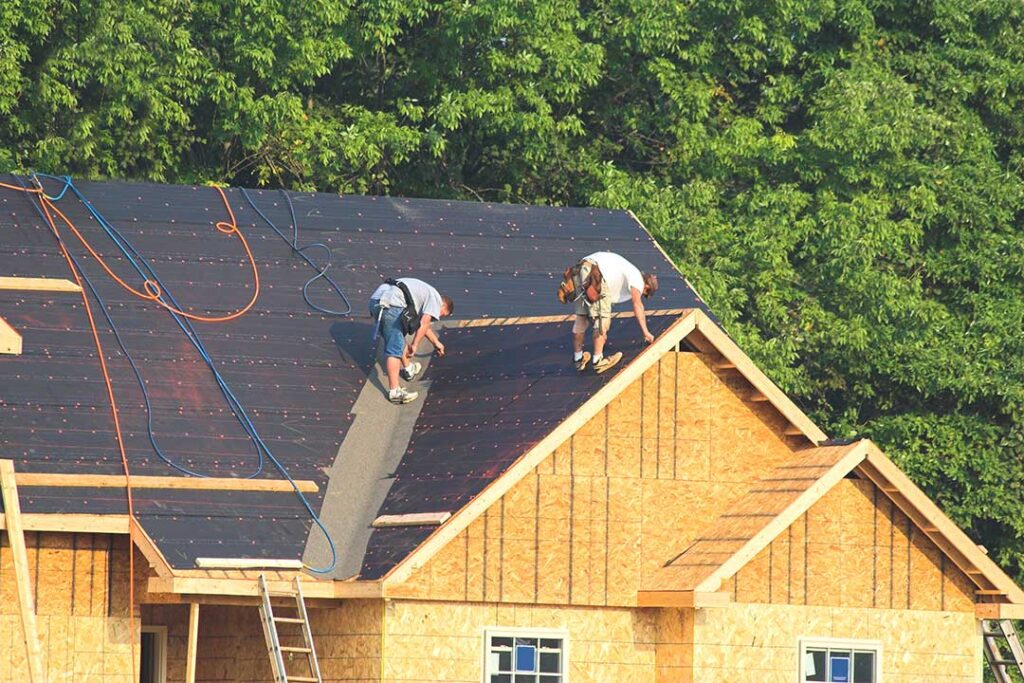
Why Should Local Residents Prioritize Roof Maintenance Each Fall?
Fall brings a unique set of challenges for rooftops in Lowville, NY due to shifting temperatures, frequent rain, and falling leaves. For homeowners, this season is a crucial time to prepare roofs for winter’s snow and ice, which are common in the region. Overlooking maintenance can lead to small problems becoming expensive repairs by spring.
Routine autumn care helps residents:
- Prevent leaks from clogged gutters and debris buildup
- Catch minor damage before freeze-thaw cycles make it worse
- Extend the lifespan of roofing materials in the area’s varied climate
What Should You Look for During a Fall Roof Inspection?
The most common issues Lowville homeowners face in fall are leaf accumulation, loose shingles, and early signs of water intrusion. A methodical inspection at the start of the season helps spot any risks.
Begin by:
- Checking shingles or metal panels for visible wear or lifting
- Looking for moss or algae, which can worsen in moist autumn conditions
- Examining roof valleys and flashing for gaps, rust, or signs of movement
Many residents check from the ground with binoculars or use a ladder only when it is safe. Never walk on a steep or wet roof—slippery fall conditions make this especially risky.
How Do Leaves and Debris Impact Roof Health in the Area?
Leaves are more than just a cosmetic issue; when allowed to collect, they trap moisture against shingles and block gutters. In Lowville, where mature trees are common around homes, leaf buildup accelerates roof wear and can cause water to back up under materials.
Key steps to manage leaves:
- Use a plastic leaf rake or roof broom to gently clear debris off low-pitched roofs, working from a ladder if safe and possible
- Keep gutters and downspouts clear; even a partial clog can overflow during heavy rain, resulting in foundation or siding issues
If roof valleys or behind chimneys collect more debris than accessible from a ladder, householders often use a garden hose to flush the bulk of it downward—if conditions are dry and safe.
Can Gutter Maintenance Really Prevent Larger Issues?
Gutter care is especially vital in fall. When gutters fill with leaves or twigs, water can spill onto roof edges or fascia, leading to rot or ice dams. In Lowville’s freeze-prone climate, poorly maintained gutters are a main cause of winter damage.
Simple routines include:
- Clearing gutters by hand or with a scoop (wear gloves)
- Flushing out downspouts with a hose to ensure water flows away from the home
- Checking for leaks at seams and securing any loose attachments
- Inspecting for signs of animal nests, a common local issue as temperatures drop
Proper drainage ensures rain and meltwater do not back up onto the roof or freeze at the eaves.
What Signs of Weather Damage Should Be Addressed Before Winter?
Early fall is the window to remedy issues before snow hides existing problems. In Lowville, temperature swings and storms can dislodge shingles or expose flashing vulnerabilities.
During fall maintenance, check for:
- Small shingle cracks, curling, or missing tabs
- Exposed nail heads or popped fasteners, which may indicate movement from wind or expansion
- Rusty, bent, or loose metal flashing around chimneys and roof edges
- Soft spots on the roof deck that suggest trapped moisture
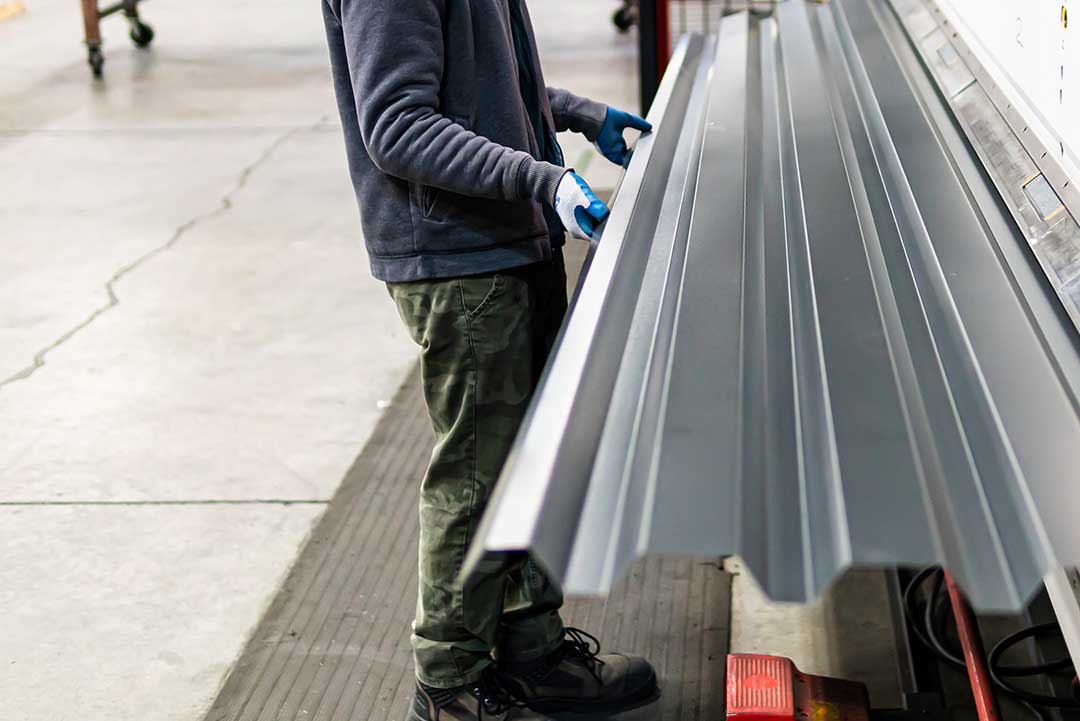
Even minor repairs, such as replacing a few shingles or resealing flashing with roofing cement, can prevent water from entering during thaws.
How Can You Prevent Ice Dams and Their Consequences?
Ice dams—ridges of frozen runoff at the roof edge—are common each winter in Lowville. They develop when warm attic air causes snow to melt, then refreeze at the eaves, trapping water that backs up beneath roofing.
Prevention efforts include:
- Ensuring attics are adequately insulated, so heat does not escape
- Ventilating attics to maintain a stable, cold roof temperature
- Keeping gutters and downspouts clear for proper drainage
Blocking air leaks from inside the home to the attic, for example by sealing around plumbing vents and light fixtures, further reduces the risk.
Are There Common Fall Maintenance Mistakes Residents Should Avoid?
Many households underestimate the effects of small debris or attempt to patch issues with temporary solutions that do not last through winter. Common missteps include:
- Using pressure washers, which can dislodge granules or drive water under shingles
- Ignoring minor gutter overflows because “winter will freeze everything anyway”—freezing often makes blockages and leaks worse
- Over-tightening gutter attachments, which can bend channels and compromise water flow
- Missing hidden trouble spots, such as behind skylights or satellite mounts
Thorough, gentle maintenance and early action are more effective than waiting for a warning sign during a storm.
When Should Safety or Legal Concerns Prompt Extra Caution?
On steep, tall, or multi-story homes, or if the roof feels unstable, safety takes priority. Similarly, if mold, widespread moss, or evidence of animal nesting is found, extra precautions are warranted. Local building codes may also restrict certain repairs or dictate safety barriers for roof access.
In those situations, residents often seek guidance from local regulatory resources or take steps to handle only accessible and low-risk areas themselves.
