
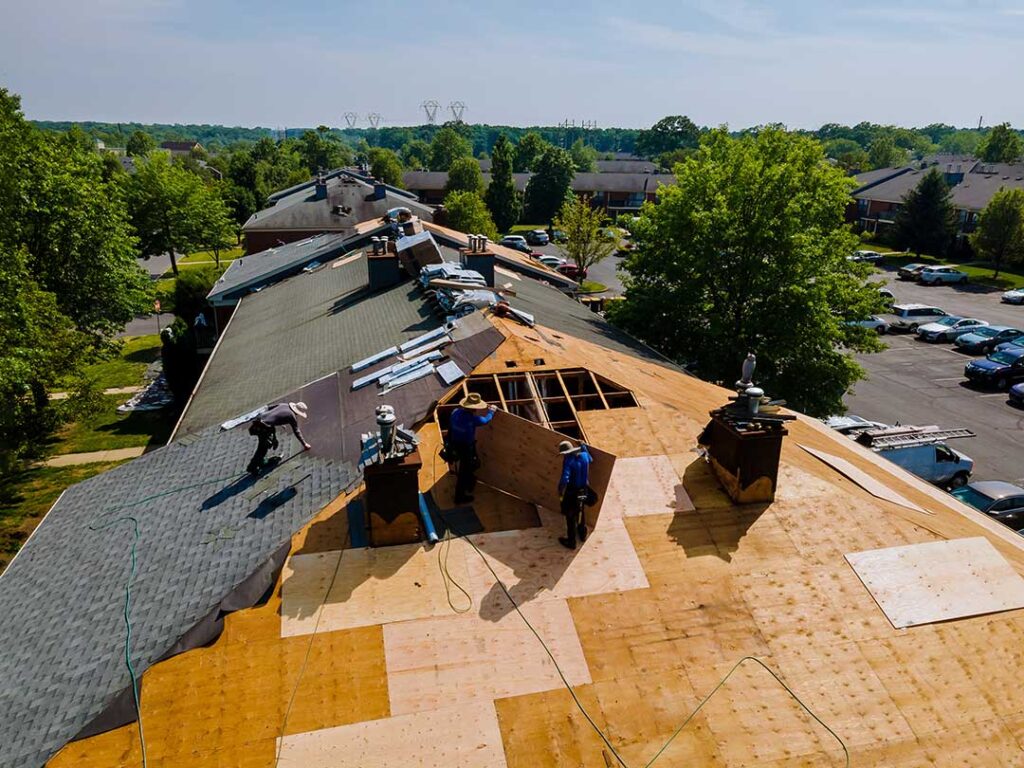
Roofing technology has advanced well beyond changes in shingle color or appearance. Newer systems can improve moisture control, withstand severe weather, monitor hidden problems, support solar energy, and reduce heat transfer through the building envelope.
For households in Lowville, roof technology must be judged against real local conditions: heavy winter snowfall, freeze-thaw cycles, wind, spring rain, summer heat, and older housing with varied roof designs. The newest option is not automatically the most suitable one. A roof still needs to match the structure, slope, ventilation, insulation, and expected maintenance requirements.
Which roofing innovations matter most in a snowy climate?
The most useful advances for this region are technologies that manage moisture, snow, wind, and temperature changes. Materials that perform well in warmer climates may offer fewer advantages here unless they are adapted to cold-weather construction.
Modern roofing systems may include:
- High-performance synthetic underlayments
- Improved ice-barrier materials
- Impact-resistant shingles
- Stronger fastening and flashing systems
- Reflective or energy-conscious roof surfaces
- Solar-integrated roofing components
- Moisture and temperature sensors
- Digital inspection and measurement tools
These features work as part of a complete roof assembly. A durable surface cannot compensate for poor attic ventilation, inadequate flashing, weak sheathing, or improperly managed drainage.
How are roofing materials becoming more weather-resistant?
Manufacturers now produce roofing materials with improved resistance to wind, impact, ultraviolet exposure, and repeated temperature changes. Some asphalt shingles use stronger reinforcement mats and modified asphalt compounds. Metal roofing systems may use protective coatings designed to resist corrosion and retain their finish.
Impact-resistant products are tested against simulated hail or similar forces. Although the testing does not recreate every possible storm, it gives homeowners a way to compare products using a consistent performance category. Impact resistance may be useful where falling branches, ice, or severe weather are concerns, but it does not eliminate the risk of damage.
Synthetic underlayments have also replaced traditional felt in many installations. They are generally lighter, more resistant to tearing, and less likely to absorb water during construction. Their value depends on proper fastening and correct integration with flashing, valleys, roof edges, and penetrations.
A newer underlayment is not a substitute for a sound roof deck. If the sheathing is swollen, decayed, or structurally weak, the roof assembly may still fail even when advanced materials are used above it.
What technology helps prevent ice dams and winter moisture problems?
Ice-dam prevention depends more on heat control and drainage design than on a single product. The most effective approach usually combines adequate attic insulation, continuous air sealing, balanced ventilation, and a properly installed water-shedding layer near vulnerable eaves.
Ice dams form when heat escaping from the building melts snow on warmer roof sections. Water then moves toward colder eaves, where it can refreeze. The resulting buildup may force water beneath roof coverings.
Newer products can improve protection at eaves and valleys, including self-adhering membrane systems and specially designed flashing materials. However, these products are backup protection, not permission to ignore attic heat loss.
Roofing technology also includes better ventilation components. Low-profile intake vents, ridge vents, baffles, and controlled exhaust systems can help reduce temperature differences across the roof surface. Ventilation must be designed as a complete system. Adding an exhaust vent without enough intake air can produce limited improvement and may create unintended airflow patterns.
Are cool roofs useful in Lowville?
Cool roofs reflect more sunlight and release absorbed heat more effectively than darker, less reflective surfaces. They are especially valuable in hot, sunny climates where air-conditioning demand is high.
In a cold northern climate, the benefit is more limited. Winter heating needs, snow cover, roof pitch, insulation quality, and the amount of summer air conditioning all affect whether a reflective roof provides meaningful energy savings. A light-colored roof may reduce summer heat gain, but it will not solve poor attic insulation or air leakage.
For many area homes, insulation and air sealing deserve attention before selecting a highly reflective roofing surface. Roof color can influence comfort, but the entire building envelope has a much larger effect on winter energy performance.
How is solar technology being built into roofs?
Solar roofing now includes both conventional panels mounted above the roof and building-integrated photovoltaic systems. Integrated products replace part of the roof covering with a surface that also produces electricity.
The main appeal is appearance and, in some designs, a lower profile. The main challenges are installation complexity, repair access, wiring, fire safety, snow cover, shading, and long-term coordination between roofing and electrical components.
Solar technology should be considered before a roof is replaced, not after the new surface is installed. The roof’s age, remaining service life, structural capacity, orientation, slope, and electrical layout all matter.
Snow can temporarily reduce solar production, especially during extended winter storms. A solar roof also still needs reliable flashing and water management. Electricity generation does not make a roof waterproof; the underlying roof assembly must be designed and installed correctly.
Can sensors detect roof problems before leaks appear?
Roof-monitoring technology is becoming more common in larger buildings and specialized residential applications. Sensors may track moisture, temperature, humidity, or changes in roof conditions. Some systems can alert occupants to water intrusion before damage becomes visible indoors.
These tools are most useful in areas that are difficult to inspect, such as low-slope roofs, concealed roof assemblies, commercial spaces, or buildings with valuable equipment below the roof. They are less likely to replace ordinary inspections on a typical steep-slope home.
A sensor can identify a change, but it usually cannot explain the entire cause. A moisture alert might result from a roof leak, condensation, plumbing, or an isolated construction defect. The information is valuable, but interpretation still requires careful investigation.
How are drones and digital tools changing roof inspections?
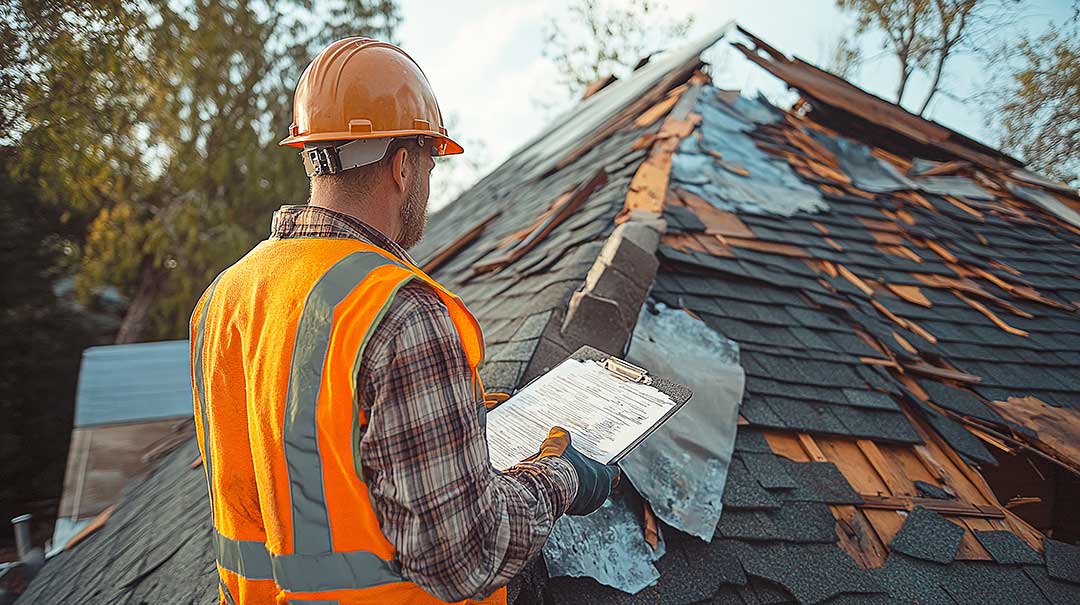
Digital measurement tools can create more accurate roof plans, identify roof sections, document flashing details, and track changes over time. Drones may help inspect large, steep, or difficult-to-access areas without placing a person on every roof surface.
These tools are useful for documentation, but they have limits. A camera may show missing shingles or damaged metal, yet it may not reveal soft decking, concealed rot, blocked ventilation, or moisture beneath the roof covering. Physical inspection may still be necessary when safety allows and when hidden conditions are suspected.
For older homes, digital records can be particularly useful because roof layers, additions, repairs, and changes in drainage may have accumulated over decades.
What should homeowners ask before choosing a new roofing technology?
A practical evaluation should begin with the building rather than the product name. Questions worth considering include:
- Is the roof structure designed for local snow and wind conditions?
- Does the attic have adequate insulation and ventilation?
- Will the material work with the roof’s slope and drainage pattern?
- How will valleys, chimneys, skylights, and wall intersections be protected?
- Can the system be repaired without replacing large sections?
- Will snow, ice, shade, or nearby trees affect performance?
- Are the installation requirements consistent with the current New York residential code?
- Are replacement components likely to remain available?
New York’s residential requirements address roof assemblies, structural loads, weather protection, and installation details. Code compliance is especially relevant when a project changes roof structure, adds solar equipment, or involves an older building with unknown framing.
The most dependable roofing innovation is usually not the most visible one. In this climate, long-term performance often comes from combining improved materials with sound drainage, careful flashing, adequate ventilation, proper insulation, and regular observation after major snow or wind events.
