
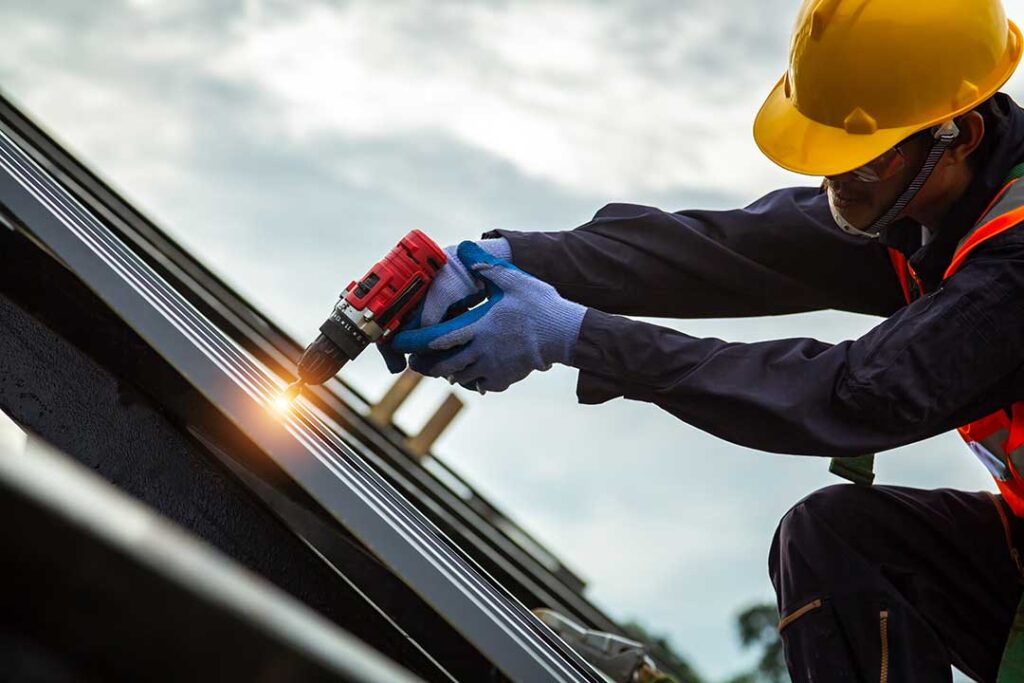
Holiday decorations are safest when stored indoors, off the roof, and away from areas where moisture, ice, or temperature changes can damage them. In Lowville, NY, winter snow, freeze-thaw cycles, wind, and damp storage spaces make placement especially important.
Why should holiday decorations stay off the roof?
Holiday decorations can damage roofing materials even when they appear lightweight. Walking on shingles, attaching hooks, dragging storage containers, or placing decorations near drainage areas may lead to cracked shingles, loosened flashing, punctures, or blocked water flow.
A roof also experiences conditions that are harder on stored items than an indoor space does. Moisture can enter cardboard boxes, snow can hide small problems, and repeated freezing and thawing can cause plastic, metal, and electrical components to expand and contract.
Avoid using the roof as a storage surface for:
- Wreaths, garlands, or artificial trees
- Outdoor extension cords and light strands
- Inflatable decorations
- Holiday signs and yard figures
- Storage totes, ladders, or empty boxes
- Extra roofing, lumber, or seasonal equipment
Even if decorations are placed on a section of roof that is not visible from the ground, they may interfere with drainage or create concentrated weight in one area.
What is the safest place to store seasonal decorations?
A dry, enclosed location is generally safest. Suitable areas may include a finished closet, a dry basement, an interior storage room, or a garage that does not experience roof leaks or severe condensation.
The storage location should have:
- A solid, level floor
- Protection from roof leaks and foundation seepage
- Enough ventilation to prevent persistent dampness
- Space away from furnaces, boilers, fireplaces, and other heat sources
- Clear access without forcing boxes against walls or ceilings
Basements can work well, but only if they remain dry. A damp basement may cause mildew on fabric decorations, corrosion on metal parts, and deterioration of cardboard packaging. If moisture has been a recurring concern, sealed plastic containers placed on shelving are preferable to boxes on the floor.
How should decorations be packed to prevent roof-related problems?
Proper packing reduces the chance that stored items will later be dragged across shingles, carried onto the roof, or left near roof edges during installation.
Use containers that match the material being stored:
- Rigid plastic totes protect against moisture better than cardboard.
- Clear containers make it easier to identify contents without opening several boxes.
- Soft fabric items should be completely dry before packing.
- Glass ornaments should be wrapped individually and placed in a rigid container.
- Light strands should be coiled loosely around a piece of cardboard or a dedicated reel.
- Artificial greenery should be stored without heavy items pressing on branches.
- Large decorations should be stored where they can be lifted safely rather than pulled across the floor.
Label each container by type, such as “roofline lights,” “indoor ornaments,” or “yard decorations.” This simple step reduces unnecessary handling and helps prevent people from opening multiple containers in cold or slippery conditions.
Do not overfill totes. Lids that bow upward or fail to close may allow moisture in and can make containers difficult to carry safely.
Can holiday lights and roofline decorations be stored in an attic?
An attic is not automatically a good storage location. Temperatures can become much higher in summer and much colder in winter than in the living areas below. These changes may shorten the life of plastic decorations, adhesives, batteries, and electrical components.
Attic storage also requires care around the roof structure. Do not place boxes directly against rafters, roof sheathing, vents, chimneys, or recessed light fixtures. Keep insulation, wiring, and ventilation paths clear.
Avoid storing anything where it could:
- Block soffit or ridge ventilation
- Press against the underside of roof sheathing
- Hide evidence of a roof leak
- Interfere with electrical wiring
- Fall through a ceiling access opening
- Add excessive weight to a small area
If an attic is used, lightweight containers should remain on a properly supported storage platform or flooring designed for access. Loose boards placed across ceiling joists are not always suitable for heavy storage.
How can decorations be stored without damaging gutters and roof drainage?
Gutters and downspouts need to remain clear throughout the year. Storing decorations near them can encourage leaves, twigs, plastic packaging, or loose fasteners to collect in the drainage system.
Keep all containers and seasonal equipment away from:
- Gutter edges
- Downspout outlets
- Roof valleys
- Skylights
- Chimneys
- Plumbing and exhaust vents
- Areas where snow slides from the roof
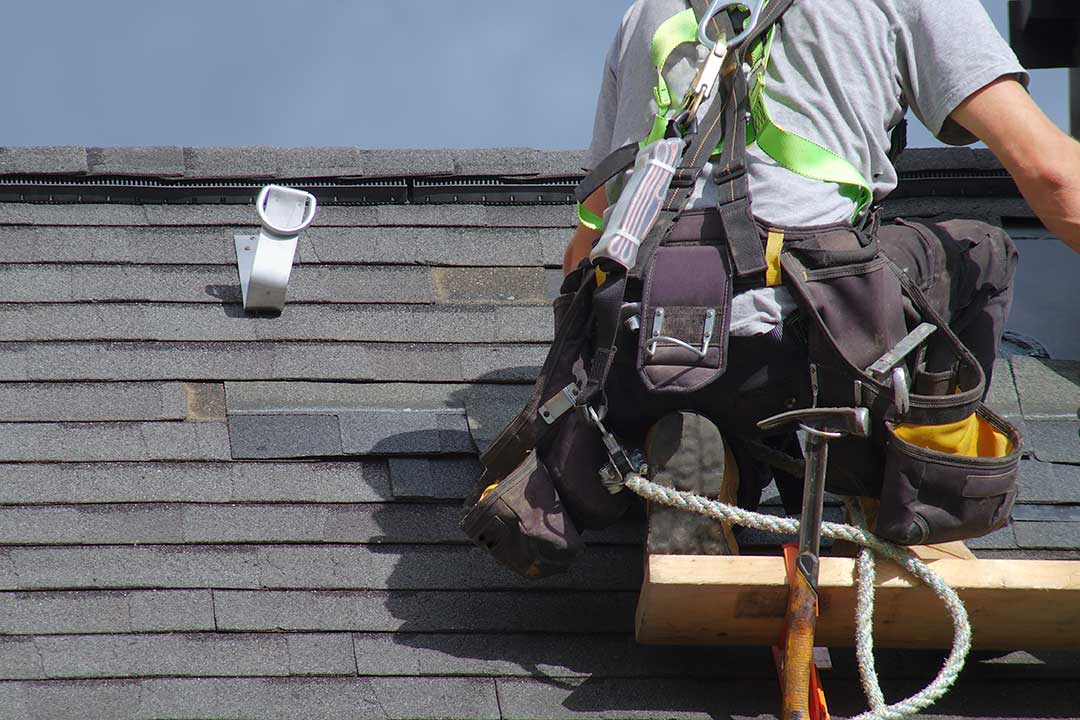
A box stored beneath a roof edge can also become wet from dripping meltwater, even if the roof itself is not leaking. In winter, ice may form around the box and make it difficult to move without sliding or lifting it abruptly.
Roof valleys deserve extra caution because they carry water from two roof sections. Objects placed in or near a valley can redirect water and contribute to ice buildup or leakage.
What should homeowners check before putting decorations away?
Inspect decorations before storage instead of packing away damaged items. A cracked light socket, frayed cord, broken hook, or rusty fastener may create a problem during the next decorating season.
Check for:
- Frayed, pinched, or brittle electrical cords
- Missing insulation around wire connections
- Cracked plastic clips
- Rusted metal hooks or staples
- Water damage or mildew
- Loose parts that could fall into gutters
- Decorations that have sharp edges
Discard or properly repair damaged items before storing them. Do not place wet lights or fabric decorations into sealed containers, since trapped moisture can create mildew and corrosion.
Batteries should be removed from decorations, timers, and lighted displays before long-term storage. Leaking batteries can damage electrical contacts and nearby components.
How should roof-mounted decorations be taken down?
Decorations attached to a roof should be removed carefully and only when conditions are dry, stable, and free of ice. Do not pull on lights that are caught under shingles, around flashing, or inside gutters. Pulling can loosen roofing materials or damage sealant.
Use the original attachment method whenever possible. Clips designed for a particular edge or surface are generally less harmful than nails, screws, staples, or improvised wire. Any attachment that penetrates roofing materials creates a potential leak path.
Ladders should stand on firm, level ground and should not rest against gutters. Ice, snow, wet leaves, and wind can make even a short removal task hazardous. If roof access requires stepping onto a steep, icy, fragile, or visibly damaged surface, the safer choice is to avoid the area rather than risk a fall or cause additional damage.
What signs suggest storage or decorations have already affected the roof?
After the holiday season, look from the ground for changes such as:
- Missing or lifted shingles
- Bent or separated gutter sections
- Sagging gutters
- Loose flashing near vents or chimneys
- New stains on ceilings or upper walls
- Water near attic insulation
- Granules collecting in gutters or at downspout outlets
- Decorations or fasteners left behind on the roof
A small issue may become more serious during a Lowville winter, when snow cover and repeated freezing can conceal damage and allow water to enter around weak points. Interior staining, damp insulation, or active dripping warrants prompt attention because the source may not be directly above the visible mark.
Storing decorations indoors, keeping roof drainage clear, and avoiding unnecessary foot traffic are simple ways to protect both the decorations and the roofing system. Seasonal items should support safe home maintenance—not create new exposure to moisture, weight, punctures, or winter hazards.
