
Why animal activity matters on a roof
Animals can damage a roof gradually, often before a homeowner notices a leak. Birds, squirrels, raccoons, bats, insects, and even domestic animals may loosen roofing materials, block drainage, damage insulation, or create openings that allow water into the structure.
In Lowville, seasonal temperature changes, snow, ice, wind, and long periods of damp weather can make small animal-related defects more serious. A lifted shingle or damaged vent may remain unnoticed during dry weather but allow water intrusion during spring thaw or a heavy rainstorm.
Which animals commonly affect roofs?
Different animals create different types of roof problems. The most common sources of damage include:
- Squirrels: They may chew through fascia, soffits, roof edges, and vent coverings. Their nesting activity can also disturb insulation and wiring.
- Raccoons: Larger animals may tear or bend roofing materials while reaching an attic opening. Their weight can damage weak roof edges, vents, and flashing.
- Birds: Birds often nest near chimneys, vents, eaves, and roof valleys. Nesting material can block ventilation or drainage.
- Bats: Small gaps near roof trim, flashing, and soffits can provide entry points. Bat activity may contaminate insulation and wood surfaces.
- Wasps and other insects: Insects may enter through damaged wood or create nests around eaves, attic vents, and roof overhangs.
- Mice and other small mammals: These animals can use gaps created by larger pests and may damage insulation, vapor barriers, and stored belongings.
- Domestic animals: Cats may climb onto lower roofs or porch roofs, while dogs may scratch or disturb roofing materials if they have access to a low-slope roof or enclosed rooftop area.
How do animals get into an attic or roof system?
Animals usually enter through existing weaknesses rather than creating a completely new opening. Common entry points include loose soffit panels, deteriorated fascia, missing shingles, gaps around vent pipes, uncapped chimneys, and damaged roof-to-wall flashing.
Roof edges are especially vulnerable because they are exposed to wind and are often made of thinner materials than the main roof surface. Ice buildup and repeated freeze-thaw cycles can also widen small gaps. Once an opening is available, an animal may enlarge it by chewing, pulling, or pushing aside surrounding materials.
A gap does not need to be large. Squirrels and small birds can use surprisingly narrow openings, while bats may enter through gaps around the width of a finger. A damaged vent screen may provide access even when the surrounding shingles appear intact.
What kinds of roof damage can animals cause?
Animal activity can affect both the visible roof covering and the concealed parts of the building. Typical problems include:
Displaced or broken shingles
Climbing animals may loosen shingle tabs or break brittle roofing materials. Missing or lifted shingles expose underlayment and roof decking to rain, snow, and sunlight.
Damaged flashing
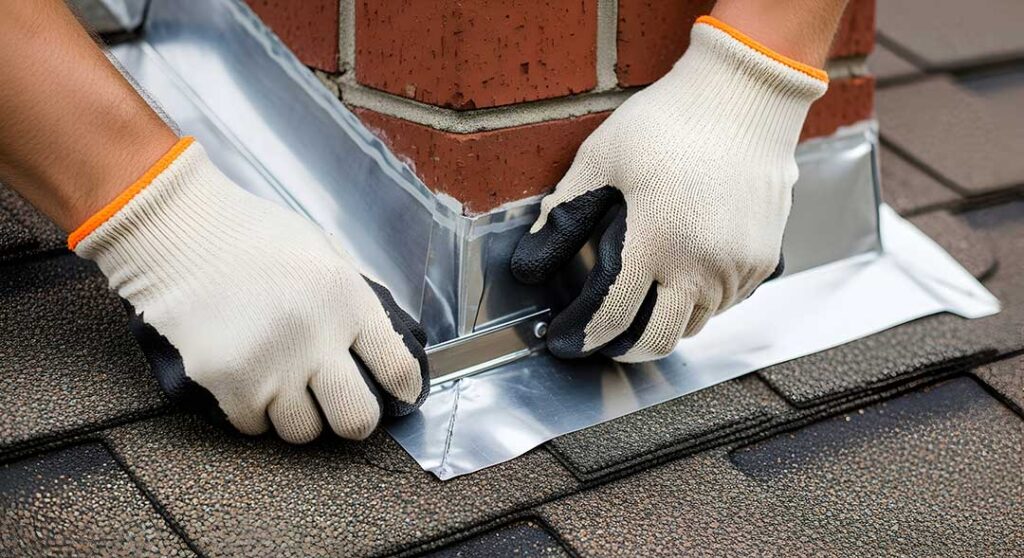
Flashing seals areas where the roof meets a chimney, wall, dormer, or vent. Animals may bend or pull at this metal, creating pathways for water.
Chewed roof edges and vents
Rodents and squirrels may chew wood trim, plastic vent covers, and screening. Damaged ventilation components can allow both animals and moisture into the attic.
Blocked gutters and valleys
Nesting materials, leaves, fur, and animal waste can collect in gutters or roof valleys. Blockages prevent water from draining properly and may contribute to overflow against siding, trim, or foundation areas.
Wet or contaminated insulation
A nest or animal entry point can lead to moisture accumulation in attic insulation. Droppings and urine may also create odors and sanitation concerns, while reducing the insulation’s effectiveness.
Damaged wiring
Rodents may chew electrical wiring in attic spaces. This is a safety concern because damaged insulation around wires can increase the risk of short circuits or fire.
Can animal damage cause interior leaks?
Yes. Animal damage can cause roof leaks even when the original opening is small. Water may enter around a damaged vent, flashing joint, or missing shingle and then travel along roof decking, rafters, or insulation before appearing on an interior ceiling.
The visible stain may not be directly below the point of entry. A ceiling mark near an exterior wall, chimney, or attic access area deserves attention, especially if it appears after rain, snowmelt, or ice-related weather.
Signs of possible animal-related water intrusion include:
- Rusted nails or damp wood in the attic
- Musty odors
- Water stains that grow after storms
- Crushed or displaced insulation
- Nesting material near a roof penetration
- Daylight visible through the roof or eaves
- Scratching or movement sounds in the attic
How does winter weather increase the risk?
Cold-weather conditions can magnify damage that began with animal activity. In Lowville, snow accumulation may cover a damaged shingle or roof edge, making the problem difficult to see. Snowmelt can then enter through openings that appeared minor during autumn.
Ice dams may also form along colder roof edges. If animals have already damaged the soffit, fascia, or underlayment, trapped meltwater has more opportunity to enter the roof assembly.
Winter nesting can create additional problems. Animals seeking warmth may move deeper into attic insulation or settle near warm ventilation areas. Their activity may go unnoticed until spring, when odors, staining, or damaged materials become apparent.
What should residents inspect safely?
A ground-level inspection after major weather or seasonal changes can reveal useful warning signs. Look for missing shingles, torn vent screens, holes near roof edges, sagging gutters, nesting material, and droppings around likely entry points.
Inside the attic, only inspect areas that can be reached safely from a stable surface. Avoid stepping between ceiling joists, disturbing nests, or reaching into dark openings. A flashlight can help identify daylight, damaged insulation, chewed wood, or moisture marks.
Do not climb onto a snow-covered, icy, wet, or steep roof. Roof surfaces can be slippery even when they appear clear, and animal damage may weaken the material beneath the surface.
Should an animal opening be sealed immediately?
Not always. Sealing an opening without confirming that the animal has left can trap animals, young, or eggs inside the roof or attic. This can lead to distress, odor, additional damage, and difficult removal problems.
The correct approach depends on the species, season, location of the opening, and whether young animals are present. Chimney access, bats, nesting birds, and larger wildlife may also involve safety or legal considerations. Any work involving droppings, contaminated insulation, or unknown animal remains should be treated cautiously because airborne particles can present health risks.
Once the space is clear, the opening should be repaired with materials suited to the location. A temporary patch may not withstand snow, wind, or repeated temperature changes. Repairs should address the underlying cause, such as rotted trim, loose flashing, or damaged ventilation screening.
How can animal-related roof damage be reduced?
Preventive maintenance focuses on keeping animals out without restricting proper roof ventilation. Useful measures include:
- Keeping roof penetrations, vents, and flashing in sound condition
- Replacing damaged soffit and fascia sections
- Maintaining chimney caps and appropriate vent screens
- Trimming branches that provide easy access to the roof
- Removing nesting materials only after confirming the area is inactive
- Keeping gutters and roof valleys clear of organic debris
- Checking attic spaces after severe storms and before winter
- Securing household waste and outdoor food sources that attract wildlife
Ventilation openings should not be blocked with improvised materials. A roof needs controlled airflow to reduce moisture buildup, and poorly placed screening can restrict ventilation or trap condensation.
Animal damage is often easiest to manage when discovered at the roof edge, before water reaches the decking or interior ceiling. Regular observation from the ground, especially after storms and during spring thaw, can reveal early signs that deserve further attention.
