

Roof underlayment is the protective layer installed between the roof deck and the visible roofing material. Although it cannot usually be seen from the ground, it helps limit water intrusion, reduce damage from wind-driven rain and melting snow, and protect the roof structure during the life of the roof.
What is roof underlayment?
Roof underlayment is a water-resistant or waterproof sheet material placed over the roof deck before shingles, metal panels, or other roof coverings are installed. The roof covering sheds most rainfall, but underlayment provides a secondary line of defense when water gets beneath the outer layer.
Water can move below roofing materials for several reasons:
- Wind-driven rain can enter beneath exposed edges.
- Ice or snow can force water upward under shingles.
- Damaged, missing, or displaced roofing materials can expose the layers below.
- Condensation or minor leaks may affect the roof deck even when damage is not visible from inside the home.
Underlayment also creates a smoother surface for installing some roofing materials and can help keep the roof deck temporarily protected while work is in progress.
Why does underlayment matter in Lowville?
Lowville experiences the kinds of seasonal conditions that make secondary roof protection especially useful. Snow, freeze-thaw cycles, strong wind, spring rain, and occasional ice formation can all place stress on roof coverings and their joints.
Snow does not need to leak directly through a shingle to cause trouble. As temperatures change, melting water may move beneath snow or ice and reach areas that are more vulnerable than the main roof field. Properly installed underlayment, along with correctly detailed roof edges and penetrations, helps reduce the chance that this water will reach the wood roof deck.
Older homes in the community may also have roof designs, additions, or layers of previous roofing that complicate drainage. Valleys, low-slope sections, dormers, chimneys, and roof-to-wall intersections deserve particular attention because water tends to collect or move more slowly in those areas.
What are the main types of underlayment?
Three broad categories are common in residential roofing.
Asphalt-saturated felt
Traditionally called roofing felt, this material is made from a fibrous base coated with asphalt. It has been used for decades and remains familiar in many roofing systems.
Felt is generally less expensive than synthetic alternatives, but it can wrinkle, tear, or absorb moisture if left exposed for too long. It may also be more vulnerable to damage from foot traffic during installation.
Synthetic underlayment
Synthetic underlayment is made from manufactured materials designed to resist tearing and moisture. It is usually lighter than felt and often comes in larger sheets, which can reduce the number of seams.
Synthetic products vary in texture, thickness, slip resistance, and exposure limits. They are not all interchangeable, so installation should follow the product’s instructions and the requirements of the selected roof covering.
Self-adhering membrane
Self-adhering membranes use an adhesive backing to bond to the roof deck. They are often used in areas that need additional protection, such as eaves, valleys, roof penetrations, and transitions.
These membranes can be particularly useful where ice-related water backup is a concern. They require a clean, properly prepared surface, and installation can be affected by temperature, dust, moisture, and the condition of the deck.
Is underlayment the same as ice and water protection?
No. Underlayment is a general category, while ice and water protection usually refers to a self-adhering membrane designed for vulnerable areas.
A roof may use more than one type of underlayment. For example, a membrane may be installed along the lower roof edges and valleys, while felt or synthetic underlayment covers the remaining roof deck. The exact layout depends on roof design, local requirements, manufacturer instructions, and the expected exposure to snow and ice.
A membrane does not replace proper flashing, drainage, ventilation, or a sound roof covering. It is one part of a complete water-management system.
Where is underlayment most important?
Underlayment matters across the entire roof, but certain locations deserve extra care:
- Eaves: Water can back up near the lower edge when snow or ice blocks normal drainage.
- Valleys: Two roof slopes direct water into one channel, increasing flow and the chance of leakage.
- Chimneys and skylights: Changes in plane create joints that require careful flashing and layering.
- Wall intersections: Water can enter where a roof meets a vertical wall or dormer.
- Plumbing vents: Openings through the roof rely on properly integrated flashing.
- Low-slope sections: Water drains more slowly and may remain beneath roofing materials longer.
- Roof edges and rakes: Wind can lift or disturb roofing materials if edge details are weak.
The most durable installation allows water to flow downward over each layer rather than trapping water behind flashing or beneath overlapping materials.
How is underlayment installed?
Installation begins with a roof deck that is sound, reasonably clean, and free of protruding fasteners or damaged wood. Wet, rotten, or structurally weak decking should not simply be covered.
Sheets are then placed in courses, typically beginning near the lower edge and working upward. Overlaps must face the direction of water flow. Fasteners should be positioned and spaced according to the material and roofing system. Excessive fastening, poor placement, wrinkles, and open seams can all reduce performance.
At roof penetrations and transitions, underlayment must work together with flashing. Simply placing material around a chimney or pipe is not enough. The layers need to be arranged so water is directed over, rather than behind, the flashing components.
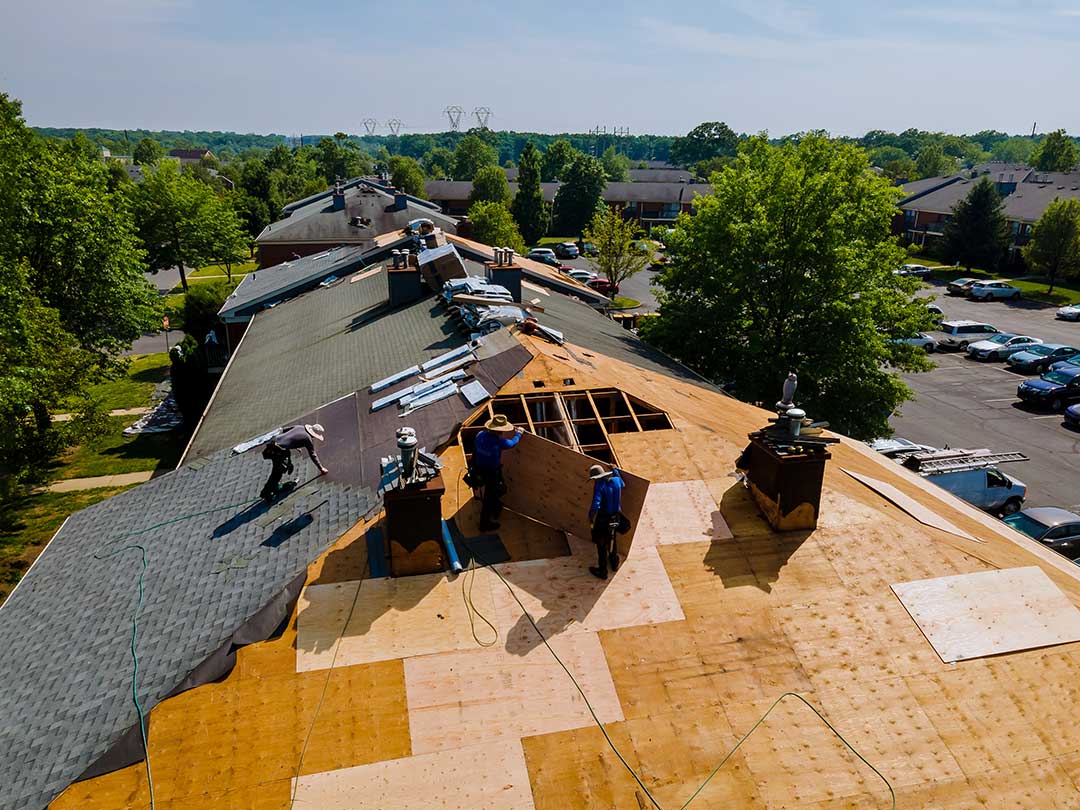
Underlayment should also remain reasonably flat. Wrinkles may telegraph through some roof coverings, interfere with installation, or create small areas where water can collect.
Can underlayment be left exposed?
Only for the period and conditions allowed by the manufacturer. Some materials tolerate limited exposure to sunlight and weather, while others deteriorate more quickly.
A roof deck covered with underlayment should not be treated as a finished roof. Heavy rain, wind, snow, foot traffic, and ultraviolet exposure can damage exposed material. If weather delays the installation of the final roof covering, temporary protection may be needed.
Homeowners should be cautious about assuming that a recently installed underlayment guarantees a watertight roof. The roof remains incomplete until the covering, flashing, edge details, and ventilation components are properly installed.
What problems suggest underlayment or roof-deck trouble?
Underlayment is hidden, so its condition is often inferred from other signs. Possible warning indicators include:
- Water stains on ceilings or upper walls
- Damp insulation near the roof edge
- Mold-like odors in an attic
- Darkened or soft roof decking
- Rusted fasteners or metal components
- Repeated leaks after snow or wind
- Shingles that appear intact but still allow water into the attic
- Daylight visible through roof-deck joints or penetrations
A leak does not always appear directly below its source. Water can travel along rafters, roof decking, insulation, or interior framing before becoming visible.
What should homeowners ask about underlayment during a roof replacement?
Useful questions focus on the complete roofing system rather than the product name alone:
- What type of underlayment is being used?
- Which areas will receive self-adhering membrane?
- How will valleys, eaves, chimneys, vents, and roof-to-wall transitions be protected?
- What is the permitted exposure time before the roof covering is installed?
- Will damaged roof decking be identified and addressed?
- How will the underlayment be secured during windy or cold weather?
- Are ventilation and flashing details being evaluated at the same time?
The answers should be consistent with the roof covering manufacturer’s instructions and the applicable building requirements. In a snowy northern climate, careful attention to edges, valleys, and penetrations is often more meaningful than choosing a material based only on thickness or price.
Underlayment is not the visible part of a roof, but it plays a major role in keeping the roof deck and interior of a home dry. Its effectiveness depends on the material, the condition of the deck, correct overlaps, sound flashing, secure installation, and a roof design that moves water away from the structure.
