
How Do Skylights Change the Roof of a Home?
Skylights provide natural light and can improve the feel of a home’s interior, but their installation and presence also bring changes to a roof's structure and its long-term performance. For Lowville, NY residents, understanding these effects is key to making informed decisions about adding or maintaining skylights, particularly given the area's climate and roofing traditions.
Are Leaks More Common Around Skylights?
Leaks around skylights are a well-known concern, especially where winters are long and snow accumulates. Skylights create additional roof penetrations—essentially, new openings—which can become weak points if not installed correctly or if flashing (the metal or waterproof barriers) wears out. In Lowville, where freeze-thaw cycles are common, even tiny vulnerabilities can allow melting snow or rain to seep through.
Reasons leaks may occur include:
- Improper or worn flashing, allowing water intrusion around the skylight frame
- Condensation collecting on the inside during chilly months, sometimes mistaken for a leak
- Ice dams forcing water back beneath shingles and toward the skylight
Regularly clearing snow from roofs (when safe) and checking the skylight area for signs of wear, especially after harsh winters, helps reduce risk.
How Do Skylights Affect Roof Insulation and Energy Efficiency?
Adding a skylight changes the roof's insulation profile. While quality, double- or triple-pane skylights offer better energy performance, any opening introduces more opportunity for heat loss or gain compared to a solid, well-insulated roof. This matters in Lowville, where winters can be cold and heating bills are a frequent concern.
Potential energy impacts:
- Heat loss: Less insulated than the surrounding roof, so more warmth can escape in winter.
- Heat gain: Direct sun on a skylight during the summer can add unwanted warmth to the home.
- Condensation: Fluctuating temperatures can cause condensation on the skylight glass or frame, especially if the attic or roof cavity has poor ventilation.
Choosing high-insulation skylights and ensuring the surrounding roof cavity is properly sealed will improve overall efficiency.
Will a Skylight Affect My Roof’s Durability?
While well-installed skylights are designed to last, they usually don’t have the same expected lifespan as the main roofing material. A standard asphalt shingle roof in Lowville might last 20-30 years, while most skylights are rated for about 10-20 years before seals or frames may show wear, especially in areas exposed to significant weather.
Key wear factors:
- UV radiation, which can degrade skylight seals over time
- Expanding and contracting materials due to temperature swings
- Accumulation of debris or snow around the skylight, leading to hidden water pooling or micro-damage
Routine inspections of both the skylight itself and the flashing—especially after storms or heavy winters—help maintain roof durability.
Are Skylights a Risk During Heavy Snow and Ice?
In regions like Lowville, where snow loads can be heavy, skylights must withstand added roof weight and prevent water intrusion. Modern skylights are engineered for these conditions but need proper framing support beneath. Poorly supported skylights might flex or develop leaks at the seams after heavy snowfall.
Best practices for snow-prone roofs:
- Ensure skylights are rated for the expected snow load
- Inspect after roof events like ice dam formation
- Clear accumulated snow if safe and accessible to prevent excess pressure
Skylight domes or flat panels can react differently; for steep roofs, skylights may shed snow more rapidly, while flatter sections might allow thicker accumulation.
Do Skylights Make Roof Maintenance More Complicated?
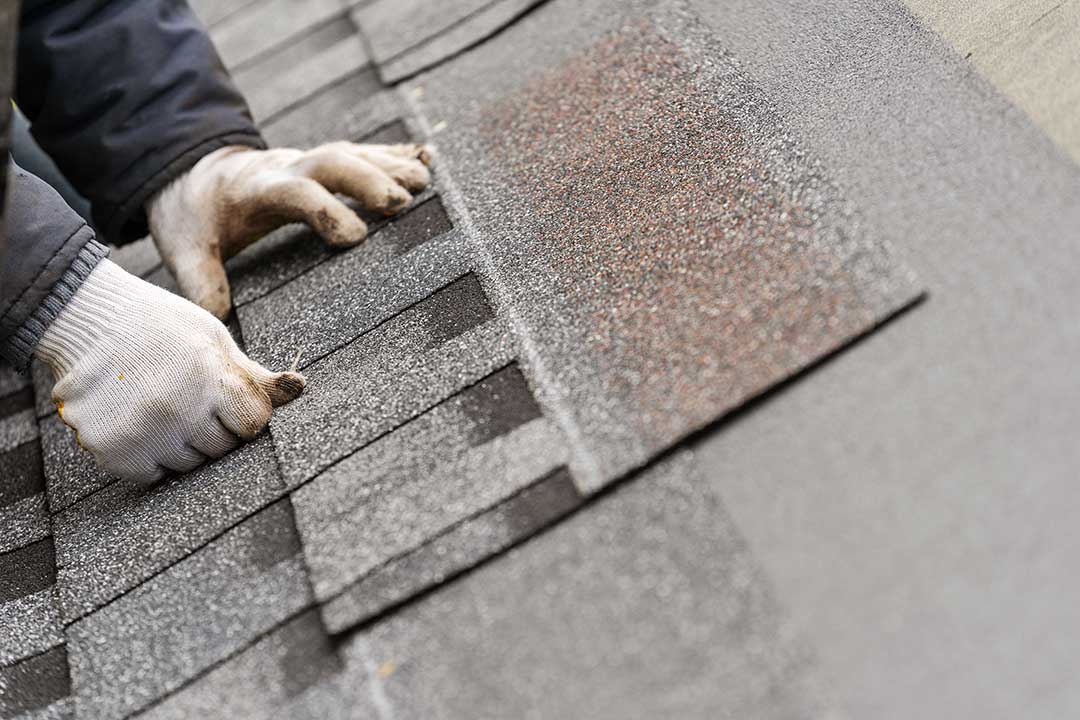
Skylights add complexity to roof maintenance, but most tasks remain straightforward for local homeowners—or helpful for those hiring periodic roof inspections. Key considerations:
- Cleaning around and on the skylight to remove leaves, debris, and snow
- Inspecting caulking and seals for cracks or shrinkage, particularly after seasonal changes
- Watching for signs of interior water staining beneath or near the skylight
Roofers or inspectors may spend extra time around these areas due to the additional risk of leaks or wear. Well-maintained skylights, however, typically require little extra effort besides regular roof care.
What Roofing Materials Work Best With Skylights in the City?
In areas with mixed housing ages and roof types, understanding which materials handle skylight installations most robustly is helpful:
- Asphalt shingles are common and generally compatible, but require careful flashing work.
- Metal roofs—popular for their snow-shedding abilities—also accommodate skylights well with proper seals.
- Older roofs may need reinforcement to create a safe opening, particularly if framing has weakened over time due to moisture or settling.
Checking that both the skylight and flashing system are approved for the home’s specific roofing material can prevent issues.
Can Skylights Be Added to Any Roof?
Not all roofs are equally suited for new skylights. The slope, age, and internal framing of a home all make a difference. In Lowville, homes with steep slopes or heavy snow history need particular attention to support and waterproofing. Structural engineers are sometimes required when cutting into older framing or unique roof designs.
Skylights often fit best on simple gable or hip roofs with enough vertical space. Roofs with complex shapes, multiple layers of old shingles, or a history of moisture issues may present more risk when adding a skylight.
What Are Common Misunderstandings About Skylights on Roofs?
A few misconceptions appear frequently among residents:
- Assuming modern skylights never leak—every opening can develop issues over decades, particularly in tough climates.
- Expecting all skylights to improve energy efficiency—only high-performance models with good installation reduce net heat loss.
- Believing that adding a skylight is a simple upgrade—structural, weather, and insulation factors must be carefully reviewed before cutting into the roof.
Careful planning, selection, and ongoing maintenance keep skylights working well without compromising roof integrity in the community.
